Back to Basics: What is copyright?
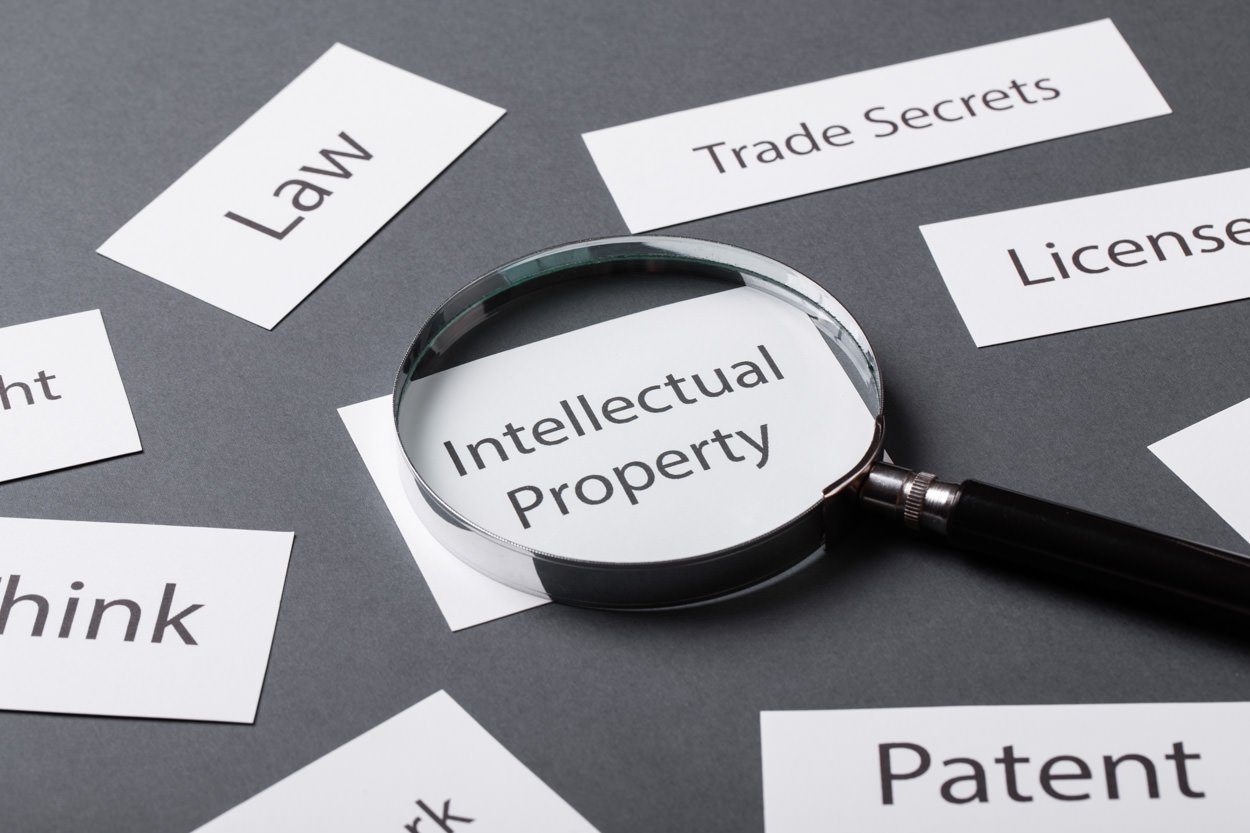
Copyright is recognised the world over as one of the principal intellectual property rights protected by law.
The main source of UK copyright law is the Copyright, Designs and Patents Act 1988, or CDPA. The UK is also a party to various international copyright conventions – probably most significantly the Berne Convention – and, in addition, was, until relatively recently, subject to the jurisprudence of the European Union, from which many of the principles or rules of copyright law have derived.
The primary objective of copyright is to safeguard creators of original content – once it takes on a fixed or recorded form – from unauthorised copying or reproduction of that content, or from that content being used in certain ways without the approval of the copyright owner.
Copyright protects a wide range of original works, including literary, dramatic, musical and artistic works, sound recordings, film and broadcasts, and typographical arrangements of published editions.
To be deemed “original”, a work must result from personal effort or intellectual creativity, rather than merely mimicking another's work.
In order to be fixed or recorded, the particular idea must be expressed physically – such as writing a manuscript or screenplay or a musical score, or creating or capturing a static or moving image, or recording a performance – rather than remaining a mere mental concept. In other words, ideas cannot be copyrighted.
Facts cannot be copyrighted, and neither can ideas. A simple illustration of the distinction would be a film screenplay which is based on historical facts. On that basis alone, the screenplay will be original and will not infringe any protected right. If that screenplay is based on a particular newspaper story, say, or a specific treatment of those historical facts, then the story itself may be protected.
The protections afforded by copyright last, in the UK for certain periods of time set out in the CDPA depending on the type of work. For example, literary, dramatic, musical and artistic works are protected for the life of the author plus a further 70 years; sound recordings are protected for 70 years from release or first publication; whilst films are protected for 70 years from the close of the year of the death of the last survivor of the principal director, screenplay author, dialogue author or the composer of music specially created for and used in the film (different periods apply for broadcasts, typographical arrangements and Crown copyright). Once that expires, though, the work enters what is known as the public domain; it is unprotected and is free for use by the world. So if someone is using an original work as the basis for their own project, an important consideration will be whether the original is still protected by copyright.
In England and Wales, copyright protection vests automatically upon the creation of the particular work. Unlike some other jurisdictions and unlike in respect of certain other intellectual property rights such as trademarks and patents, registration is unnecessary for the purposes of attracting protection.
The legal protection afforded to creators with regard to their content is enforceable in the sense that if protected material is used in an improper or unauthorised way, the courts will provide remedies to the innocent party.
Finally…
Copyright can be dealt with, or traded, like any proprietary right; it can be sold (assigned) or licensed. This means that if someone wants to buy, or use, your copyrighted material, or you want to buy or use theirs, a deal should be agreed.
For creators, producers and businesses, understanding the scope of copyright protection is a key part of the advice provided by specialist media and entertainment lawyers when developing and exploiting creative works.
So, Creators, copyright is key! Understand it and use it to protect your content!
DISCLAIMER: Please note that this content is for informational purposes only; it does not constitute, and should not be construed as constituting, legal advice. Whilst care is taken to ensure the content is accurate at the time it was produced, it may no longer be. You should seek specific legal advice in respect of particular legal issues or concerns. No liability or responsibility is accepted in respect of the content, or any actions taken based on the content.
Continue Reading